Portfolio hero

Jagrut Amuri

Biologist · Storyteller

Exploring ways to enable a prosperous co-existence between humans, our technology and the rest of the natural world.

Technology is inevitable; extractive and careless ways of using it are not.

Scroll to explore

How I Work

I work through research, workshops, fieldwork, writing to create meaningful interactions. Designing situations where people feel seen, heard, and capable of reflecting honestly on their relationship with the world.

How I work

Underlying this is a belief that intelligence and meaning are values not exclusive to humans. I am motivated by a concern for what kinds of futures we are building, and who or what those futures make space for. I reject the binary between technological futures and empathy for life.

Guiding Principles

01

Expanding What Counts as Intelligence

I view intelligence as something that exists across living systems, expressed through how organisms sense, respond to, and make decisions in relation to their environments.

My work aims to shift how intelligence is recognised, so that empathy and respect are not reserved for the human experience alone.

02

Making Space for Technological Futures with Care for Life

I believe that technological futures are inevitable, but the values embedded within them are a choice.

My work engages with technology as a potential ally in understanding life, within complex ecological and social systems. I explore how technological systems can be developed with appreciation and empathy toward the natural world.

03

Learning Through Participation

I move away from rigid hierarchies in learning and design environments, towards spaces where people feel safe to ask questions and make mistakes.

I approach learning as a shift in perspective, creating experiences that help people encounter multiple ways of seeing through sensory and participatory engagement.

Workshops

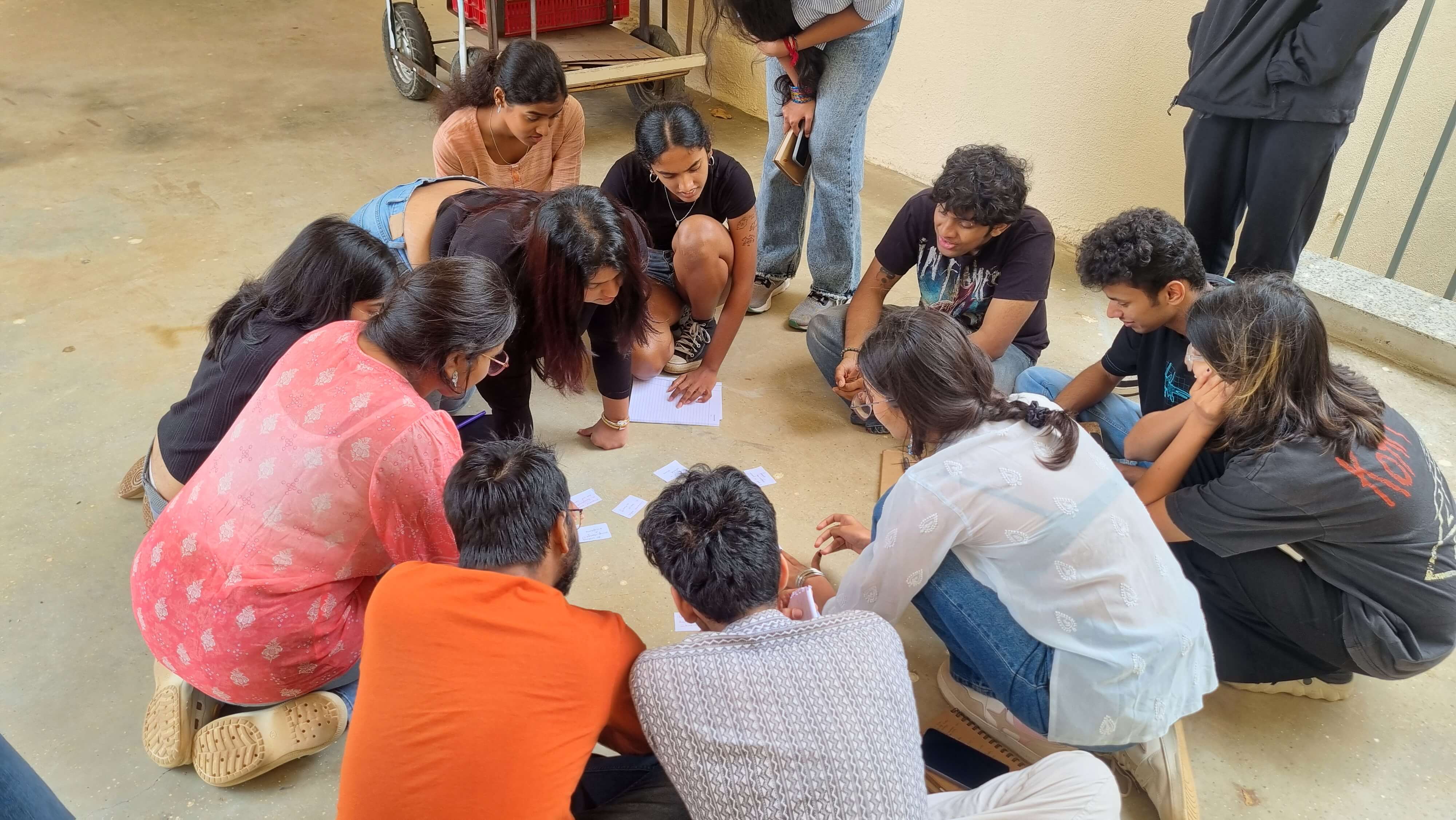
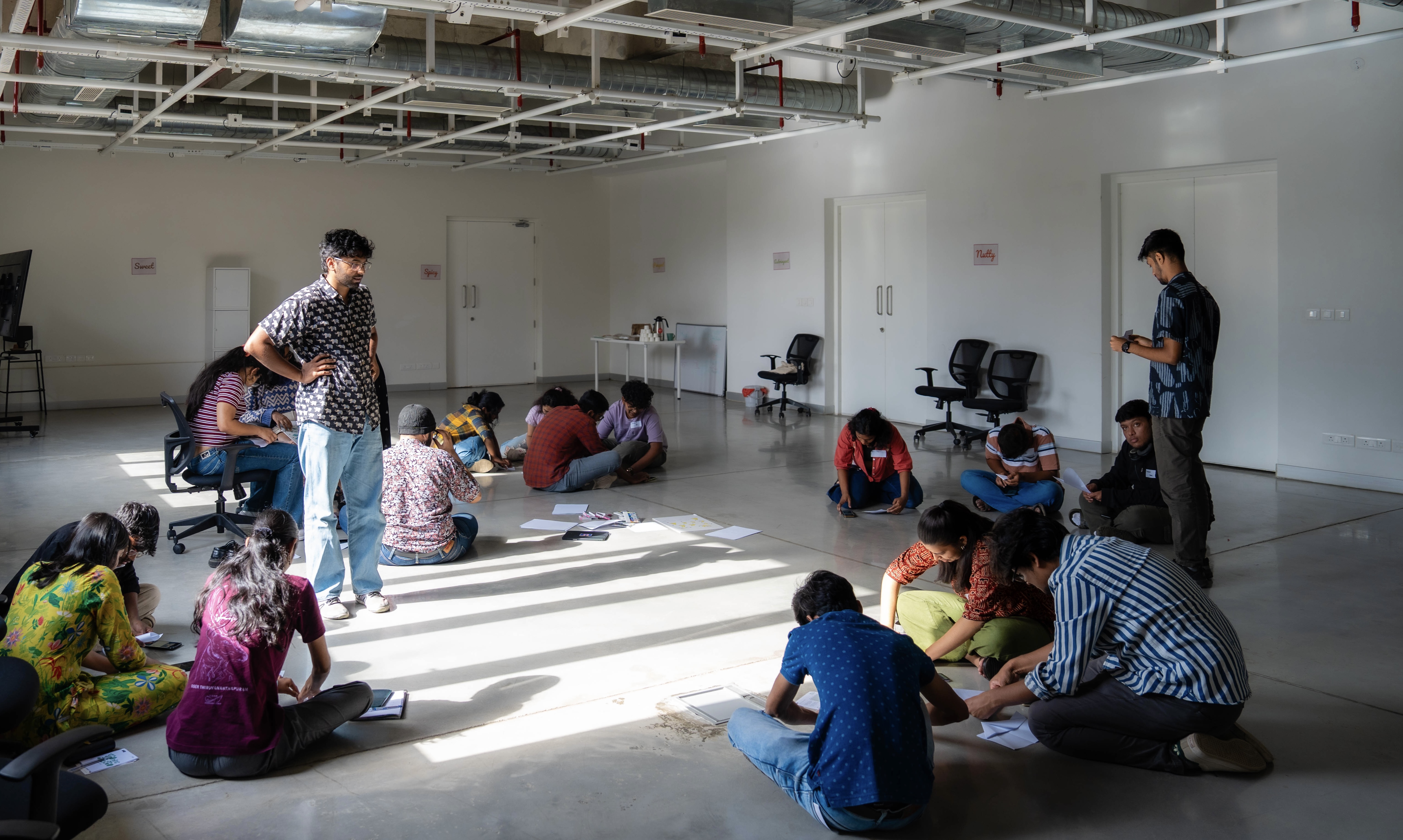
I use workshops as a way to bridge together different ways of knowing, rather than treating learning as information transfer. They are designed as participatory spaces where people move between engaging with the content and each other.

Across varied contexts, workshops have become a practical method for enabling shifts in perspective and shared inquiry.

Workshop practice

Origami × Nature

Science Gallery Bengaluru Azim Premji University RGH School

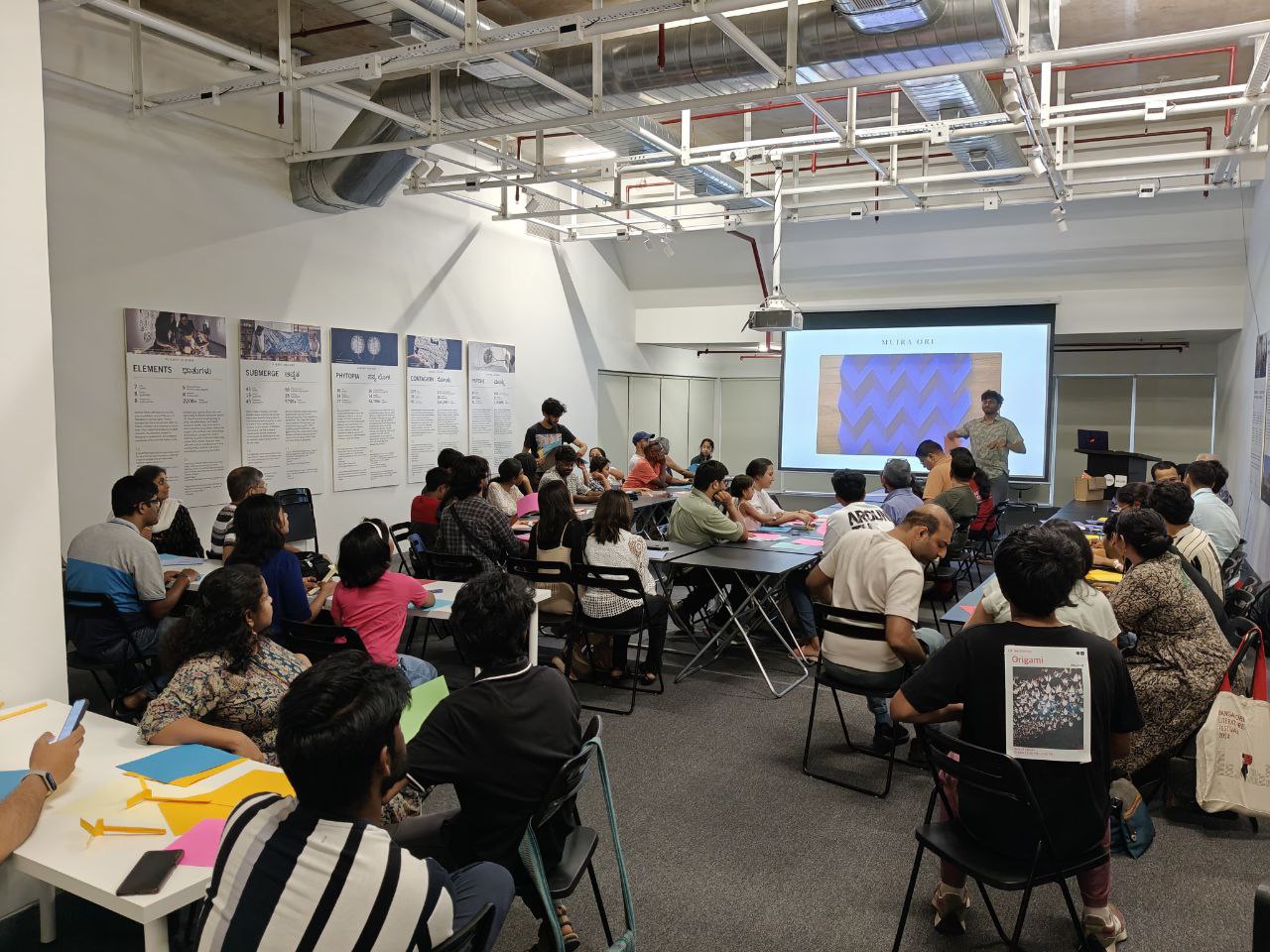
The bridge: Bridging human and non-human intelligence through making. Using the art of origami as a way to observe, understand, and appreciate the ingenuity embedded in natural structures.

Origami workshop Origami nature forms

Participants observed patterns and forms in nature, then translated those observations into folded paper — working through spirals, tessellations, and flight mechanics with their hands. By understanding how and why natural structures such as insect wings and leaves fold, we explored how shape, function, and movement can emerge from simple rules, experimenting with multiple folding approaches along the way. Origami became a way to notice how nature uses the principles of folding to solve complex problems, elegantly.

Visual Narrative

Srishti Manipal Institute Undergraduate Students

The bridge: Understanding how meaning shifts as stories move across mediums and senses.

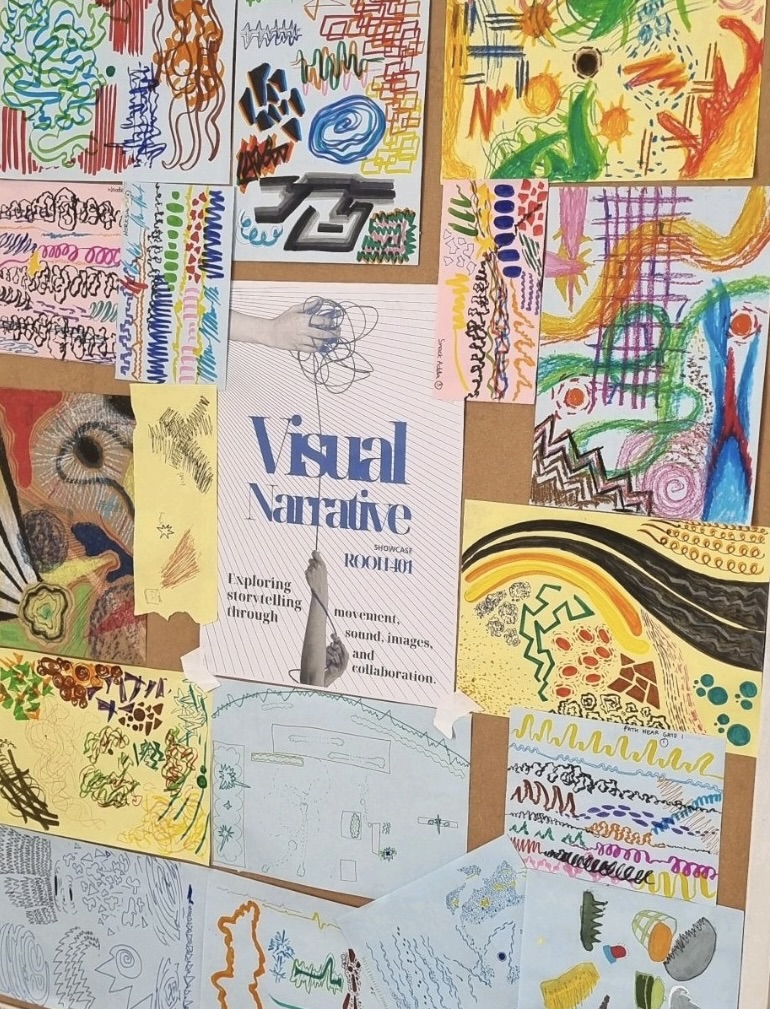
Visual narrative workshop Narrative exploration

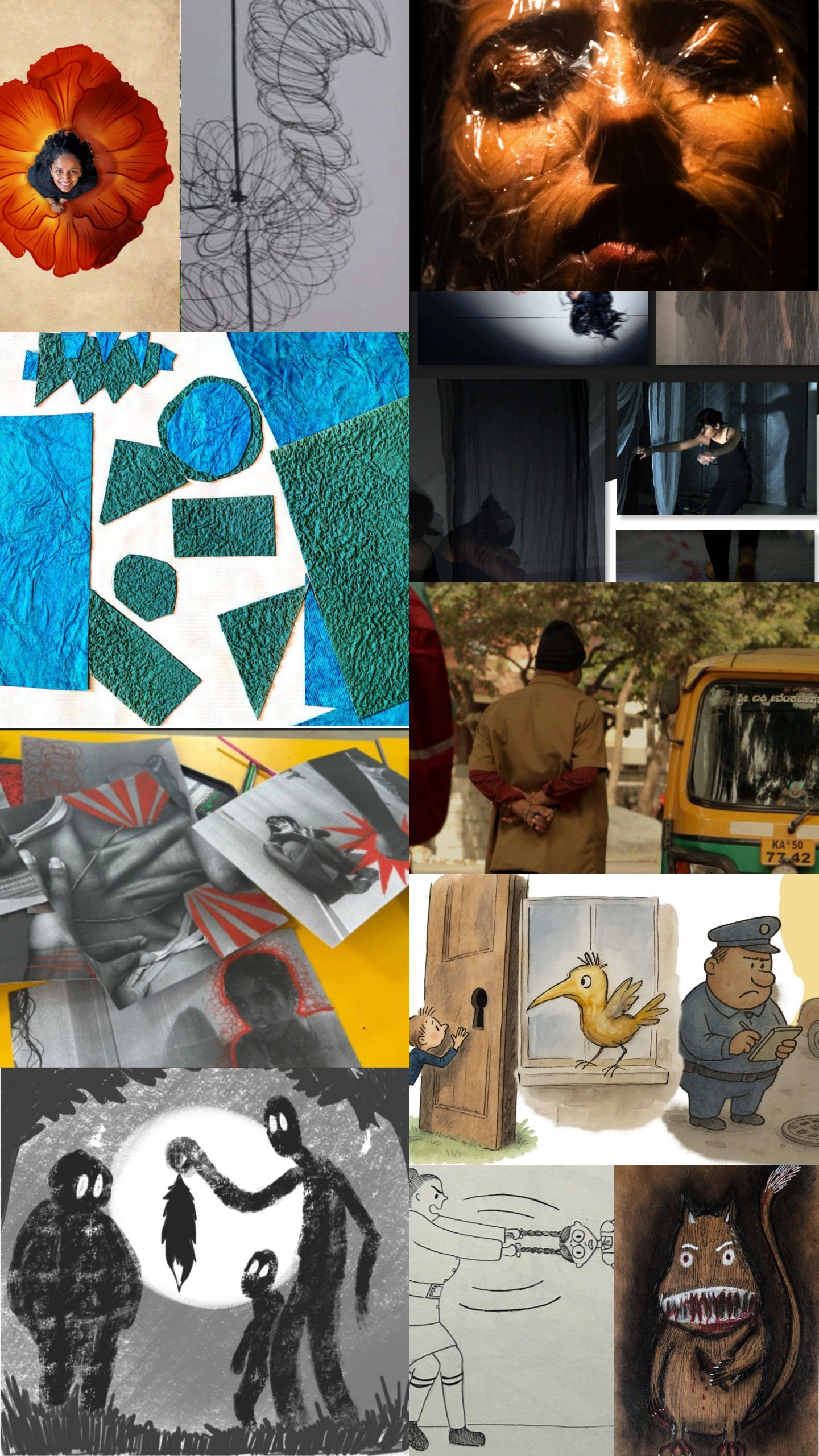
This two-week, full-day workshop on visual narratives was designed and co-facilitated for second-year undergraduate students at Srishti Manipal University, developed with only three days of lead time and an open-ended brief. The workshop took shape iteratively, adapting day by day in response to the group, with assessment growing directly out of student work and prioritising reflection and process over conventional evaluation.

We began by sharing personal stories and examining how narratives shape meaning, before tracing the roots of visual storytelling and exploring its cognitive dimensions. We broke down the anatomy of a story and investigated how its elements translate across different design contexts — working through sound, music, and text as visual mediums, and using objects, origami, and stop-motion to animate ideas. Movement and gesture opened up questions of embodied and non-verbal communication, and the workshop culminated in final projects where each student translated a chosen narrative into a photo series.
Biomimicry

Andaman Islands - ReefWatch Government School Students

The bridge: Bridging nature and technological wonder through close observation of marine and terrestrial organisms, exploring how nature solves problems and adapts to complex conditions..

Biomimicry workshop

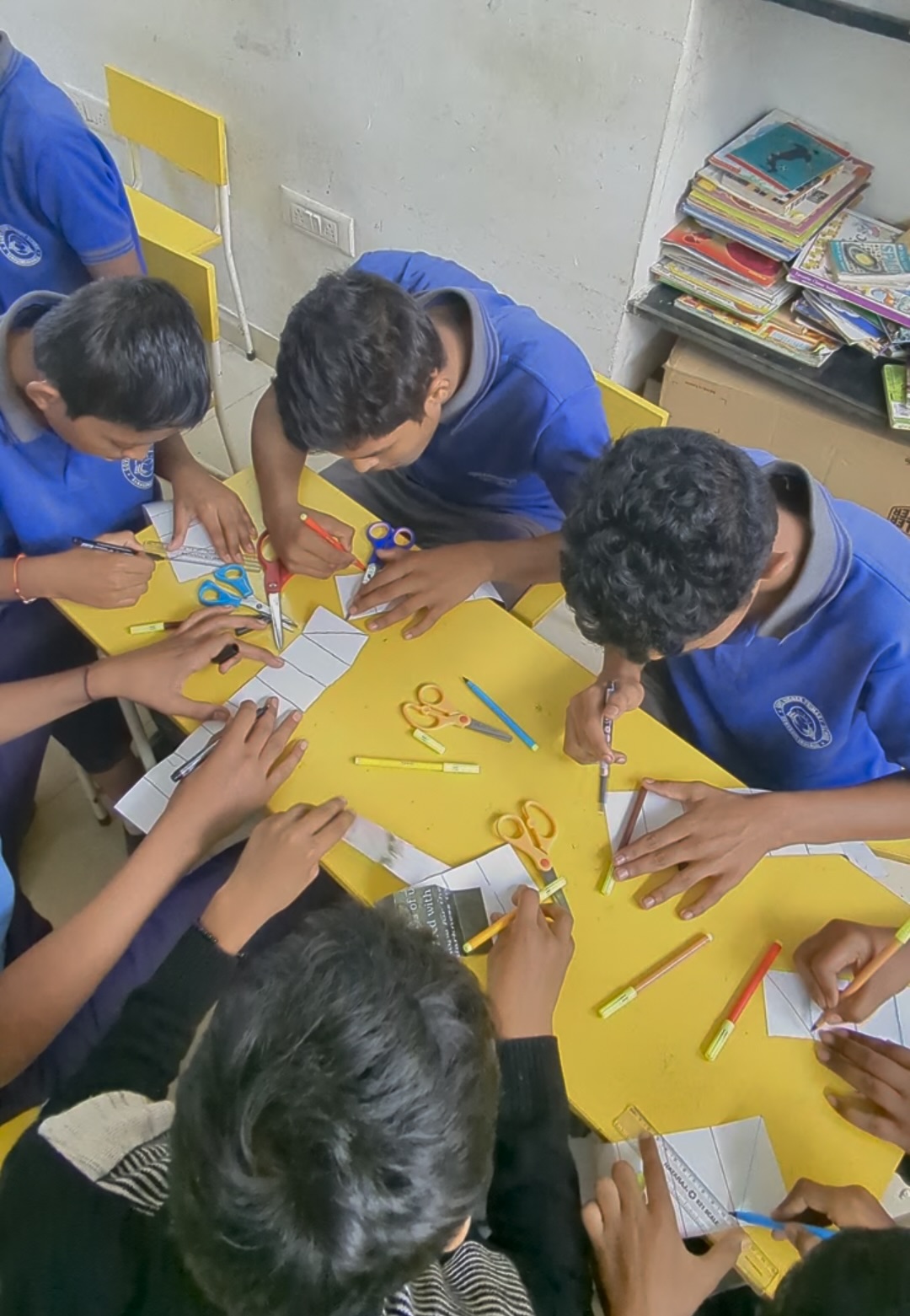
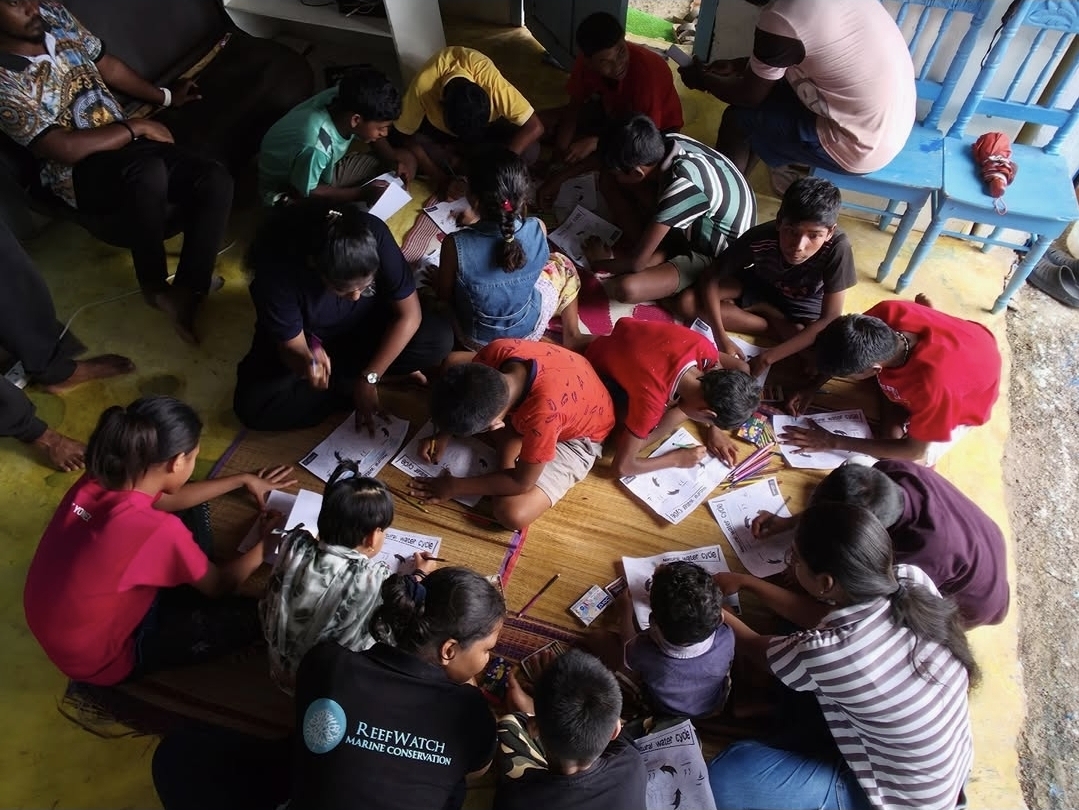
This workshop was designed and conducted while volunteering with Reefwatch, a marine conservation organisation, on the southernmost tip of the Andaman Islands in a place called Chidiyatapu — built for government school students to help deepen their understanding of their surroundings. We walked through intertidal zones and coastal areas, observing organisms in their natural habitats, identifying species, and discussing how they function. Conversations moved between ecology and adaptation — exploring how animals manage heat, salinity, and movement.

Students drew their favourite organisms, picked out their most distinctive traits, and began thinking about how specific biological abilities might translate into human use. Biomimicry became a way to notice that sophisticated problem-solving already exists all around us.

Art × River

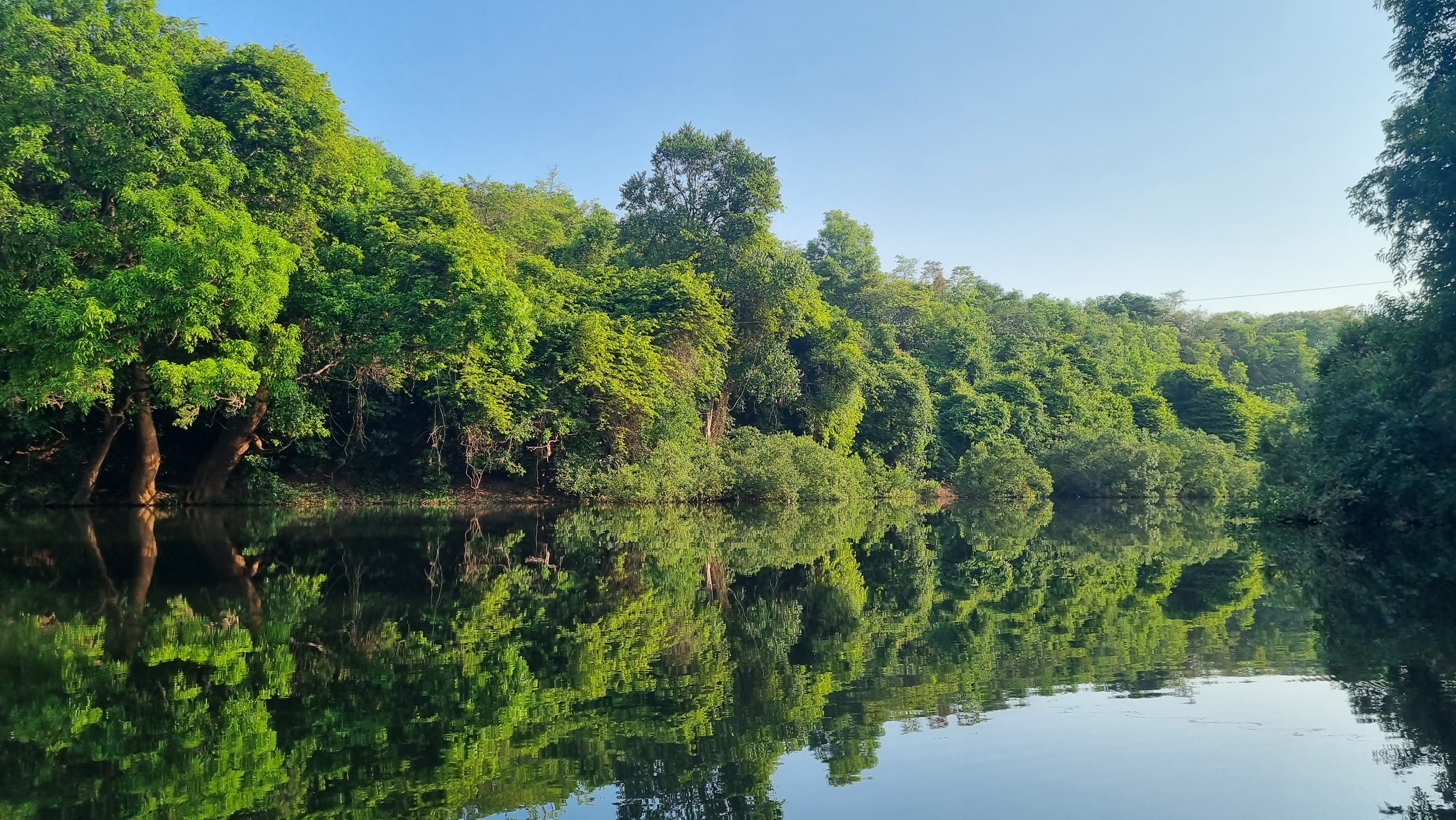
Khandepar–Mahdei River, Goa Community Workshops

The bridge: Bringing together art, ecology, and community knowledge through shared time along the river.

River workshop River ecology Community engagement

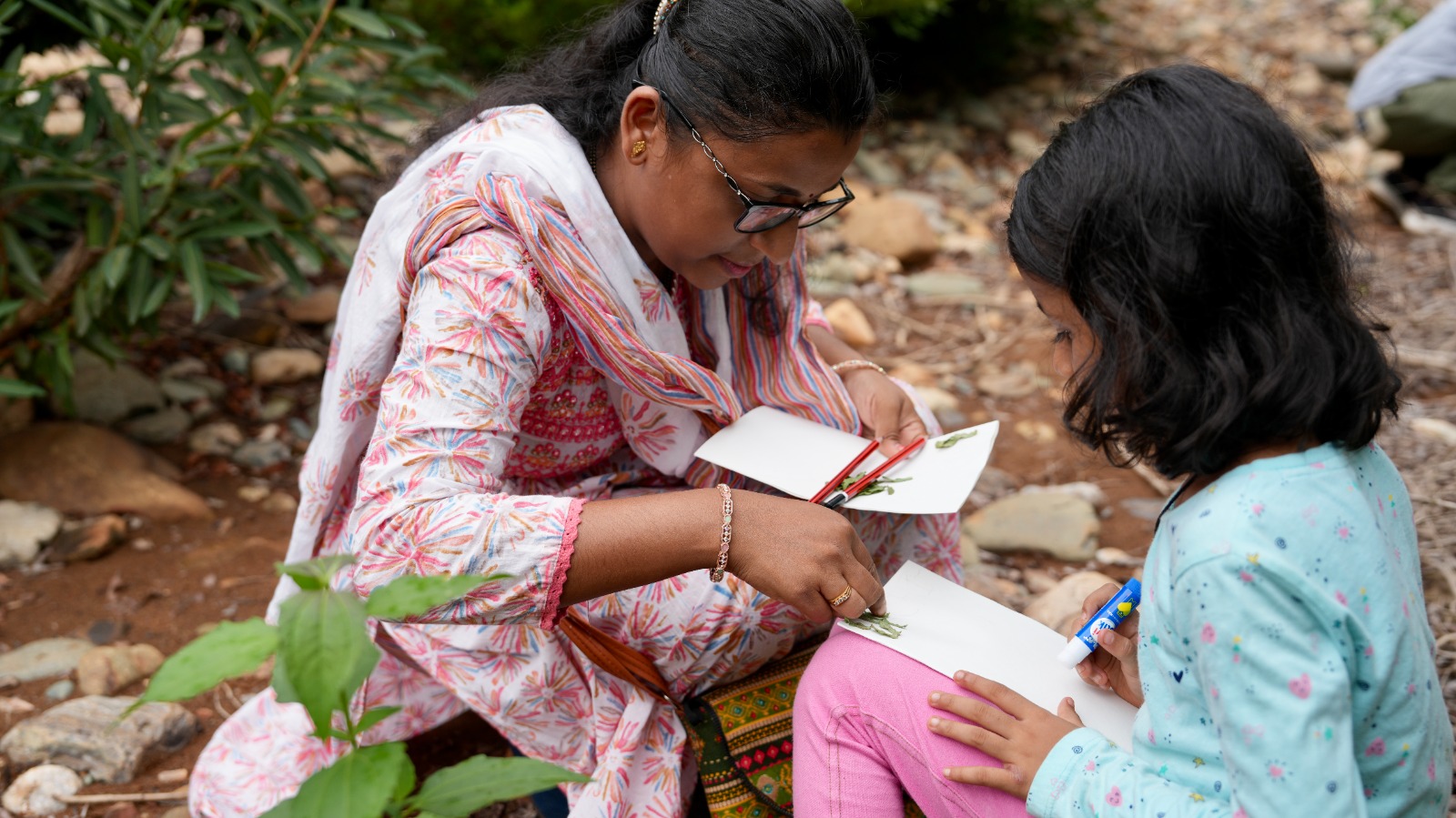
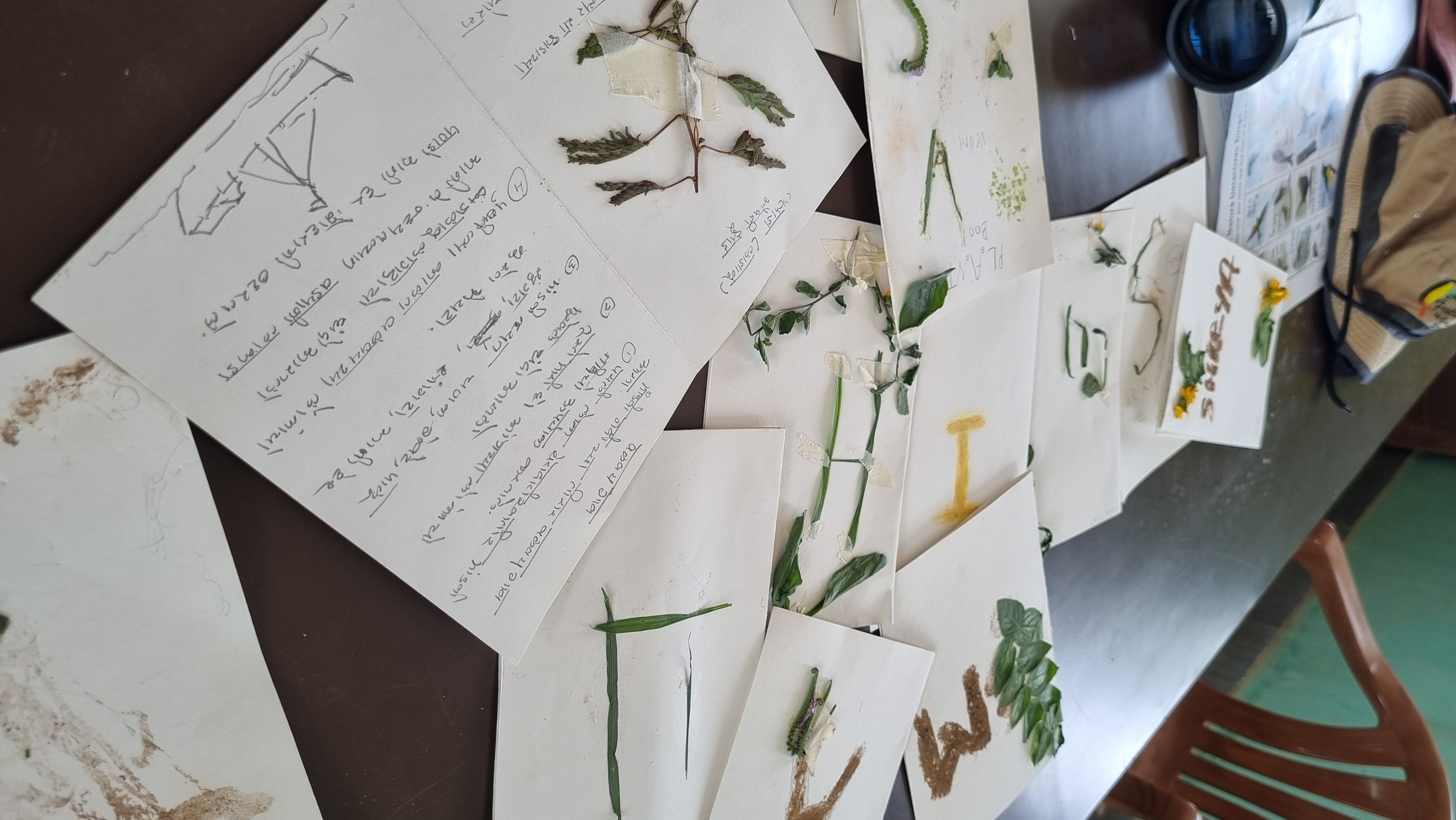
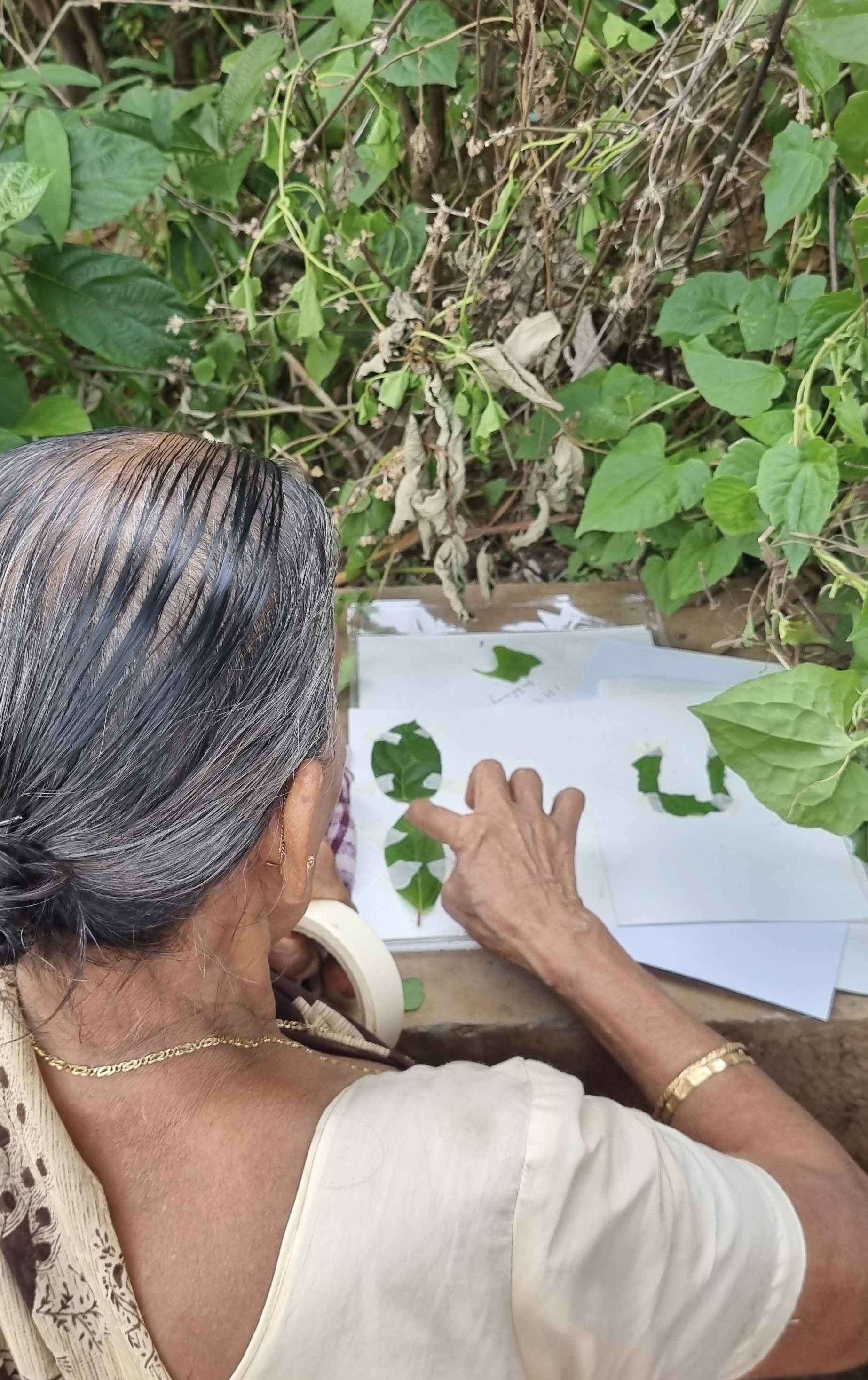
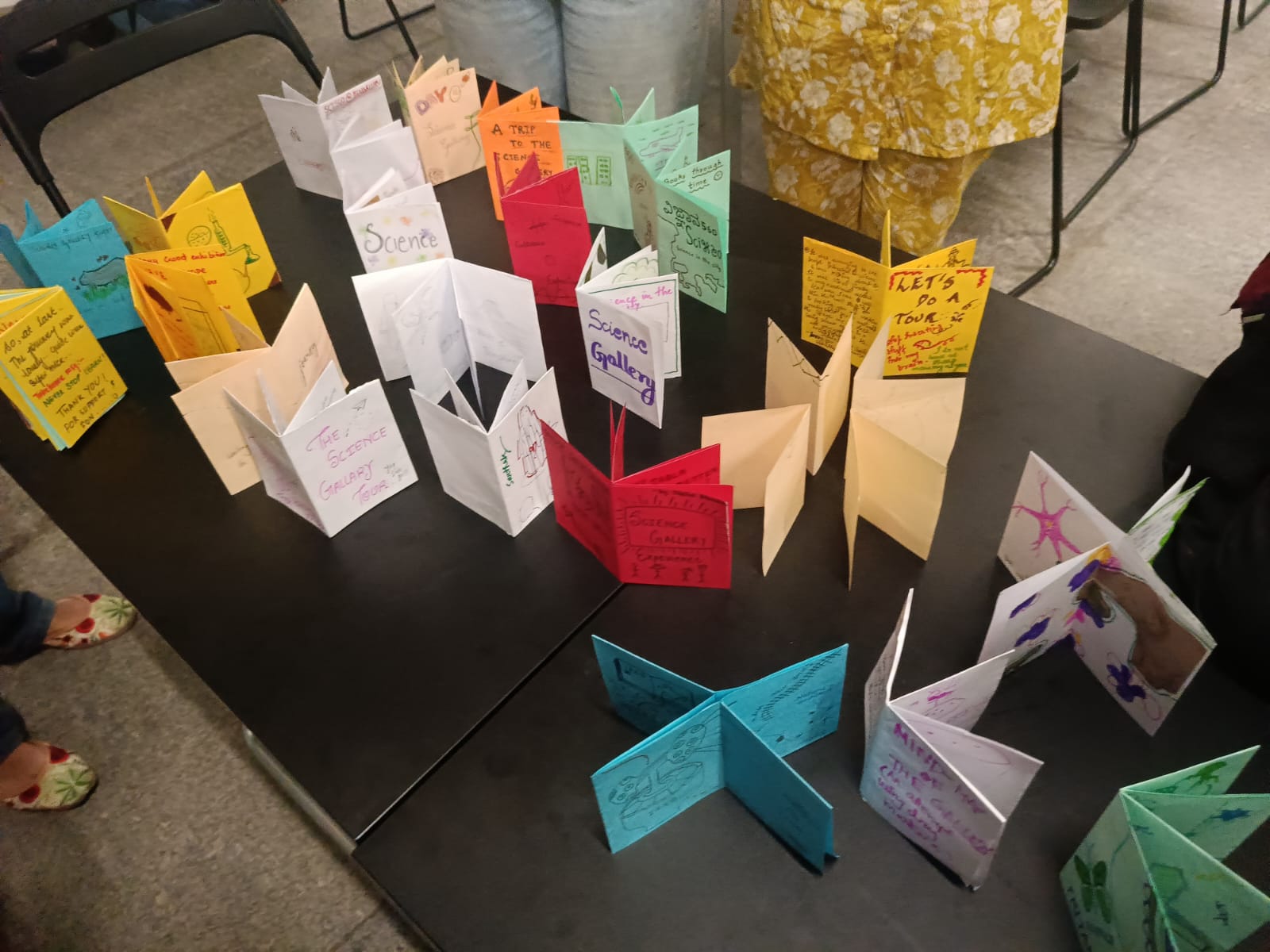
These workshops were conducted across multiple locations along the Khandepar–Mahdei River in Goa, in collaboration with Bookworm Trust and OurRiver OurLife as part of a larger conservation efforts in Goa. As part of the on-ground team, I was simultaneously conducting field surveys and designing and facilitating community workshops alongside local libraries. We walked the river with field experts, identifying plants and species while weaving in traditional and lived knowledge that participants brought with them. Zines and artworks made from leaves, mud, and sand became a way of processing what we observed, and conversations opened up around local socio-ecological pressures like sand mining, fishing practices and the slow changes people had witnessed over lifetimes. Much of the work was simply about listening: exchanging stories across generations, asking questions, and spending time with the river together. We also introduced simple tools such as a flood monitoring app to support ongoing care and monitoring.

Mediation

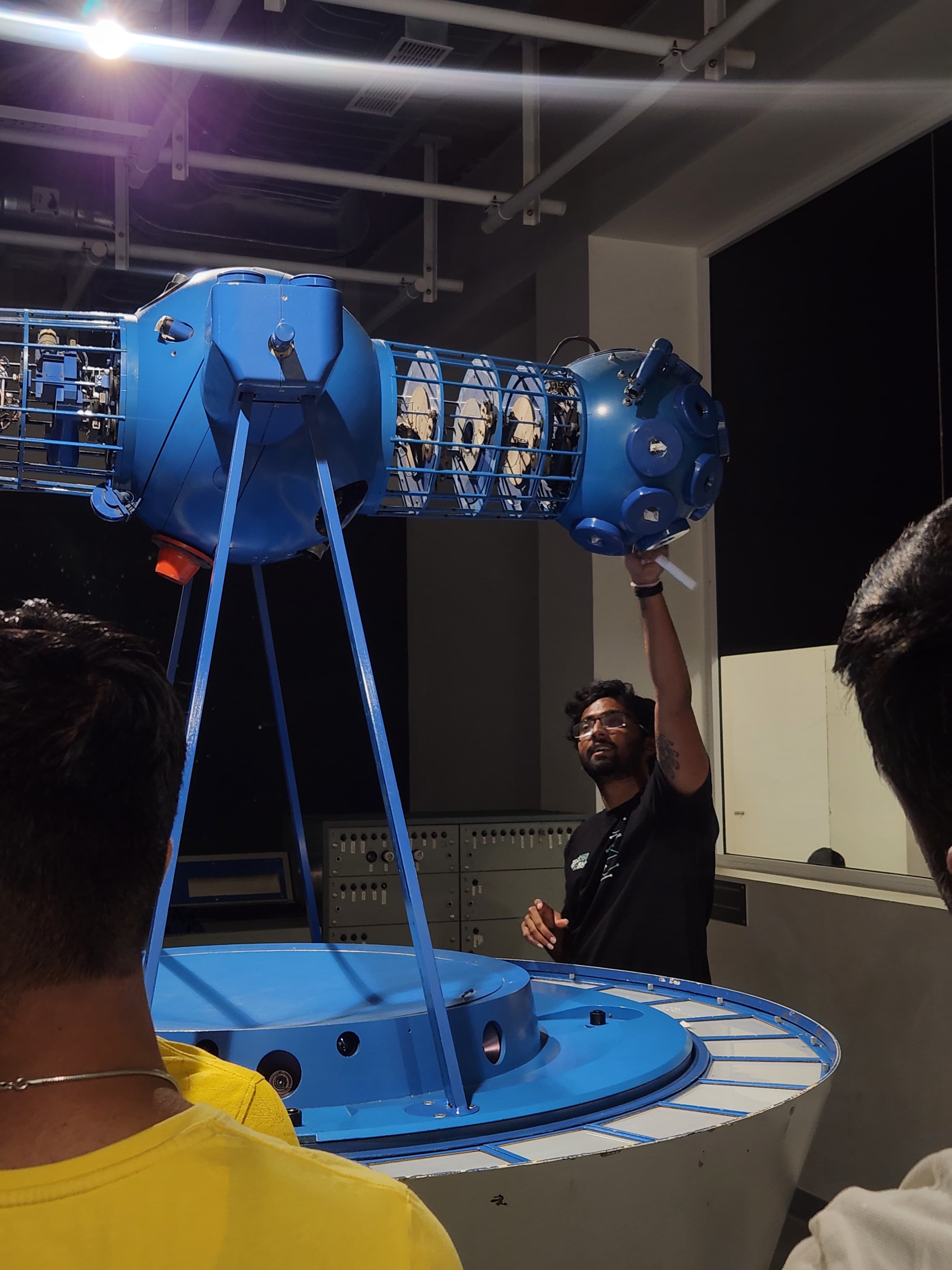
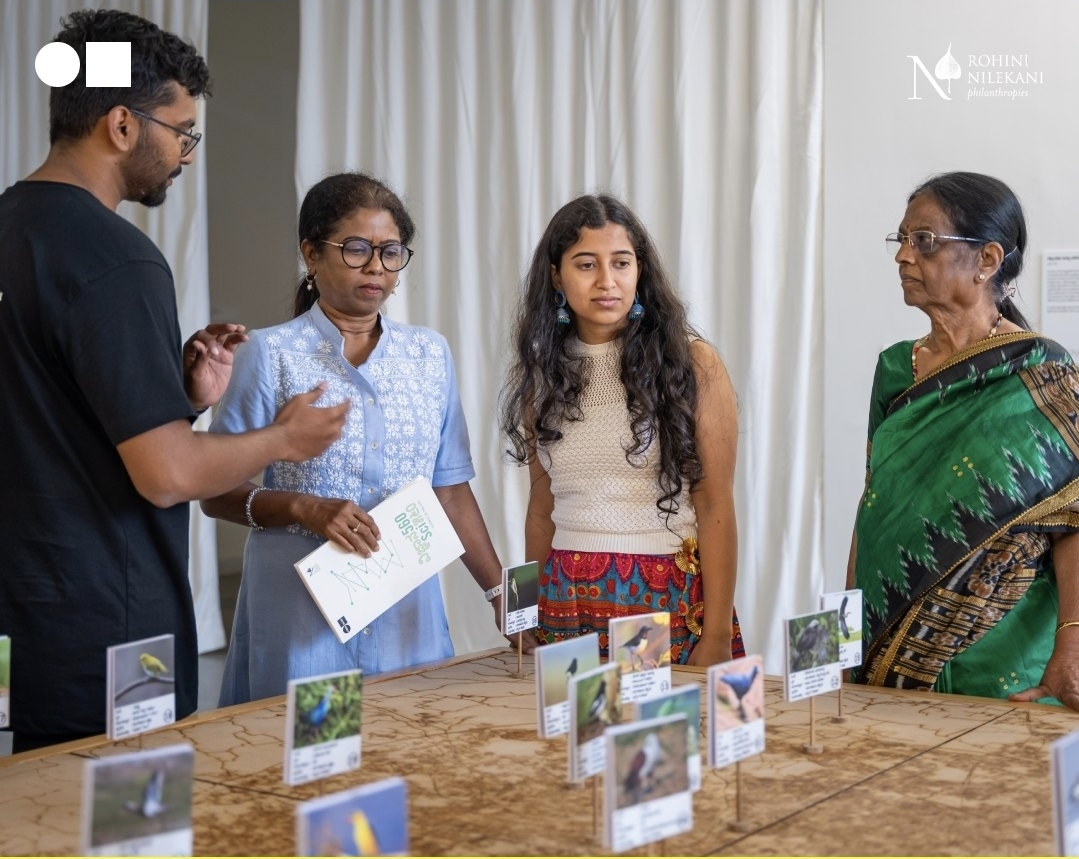
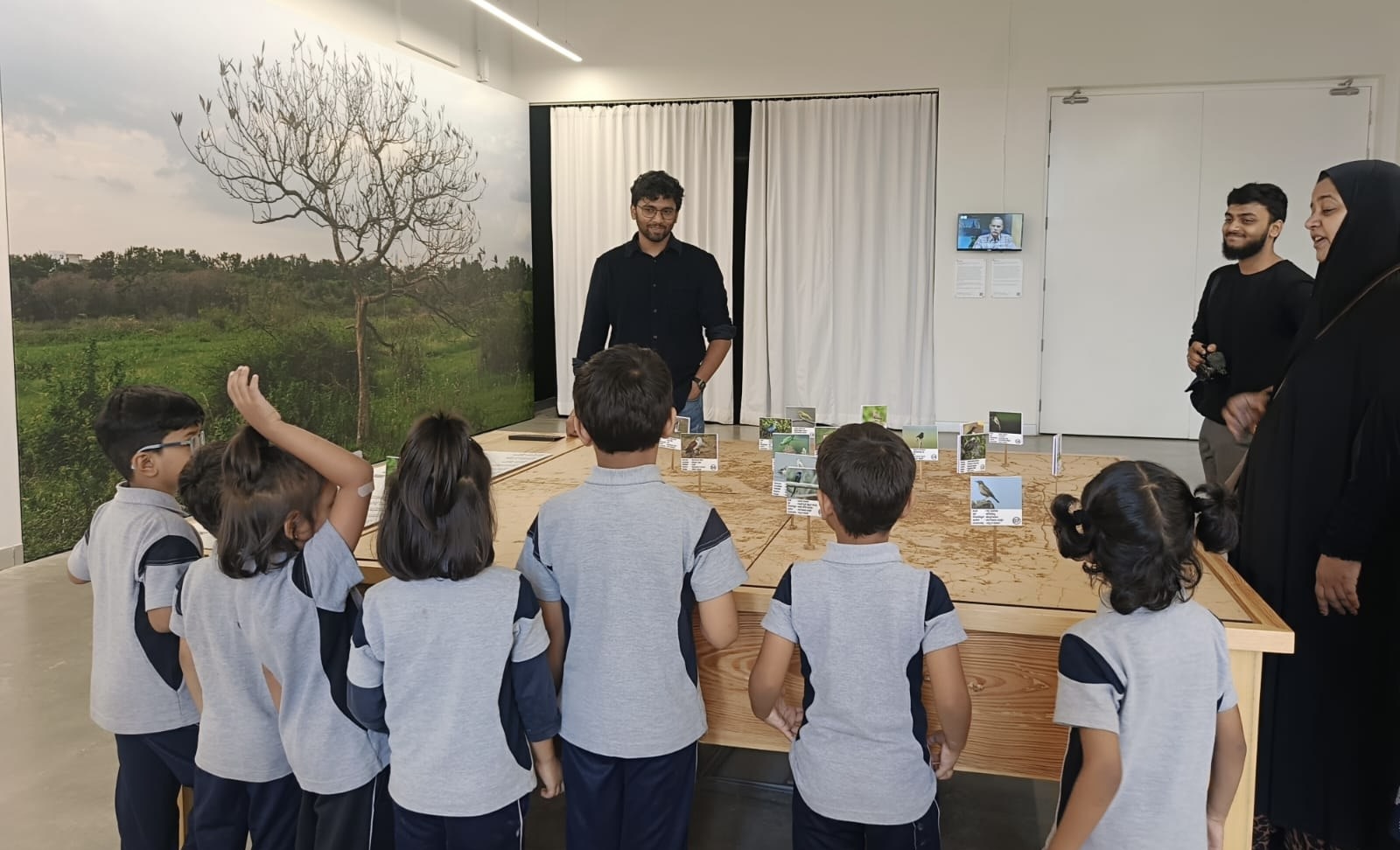
Mediation at Science Gallery is a form of informal education, where mediators support visitors in engaging with exhibits through conversation.

I experienced mediation as a way of thinking alongside people. Conversations unfolded based on what visitors were drawn to, what felt unfamiliar, or what they wanted to spend time with. I tried to stay responsive, allowing learning to grow through dialogue and proximity with the objects.

Mediation practice

Everyday Mediation

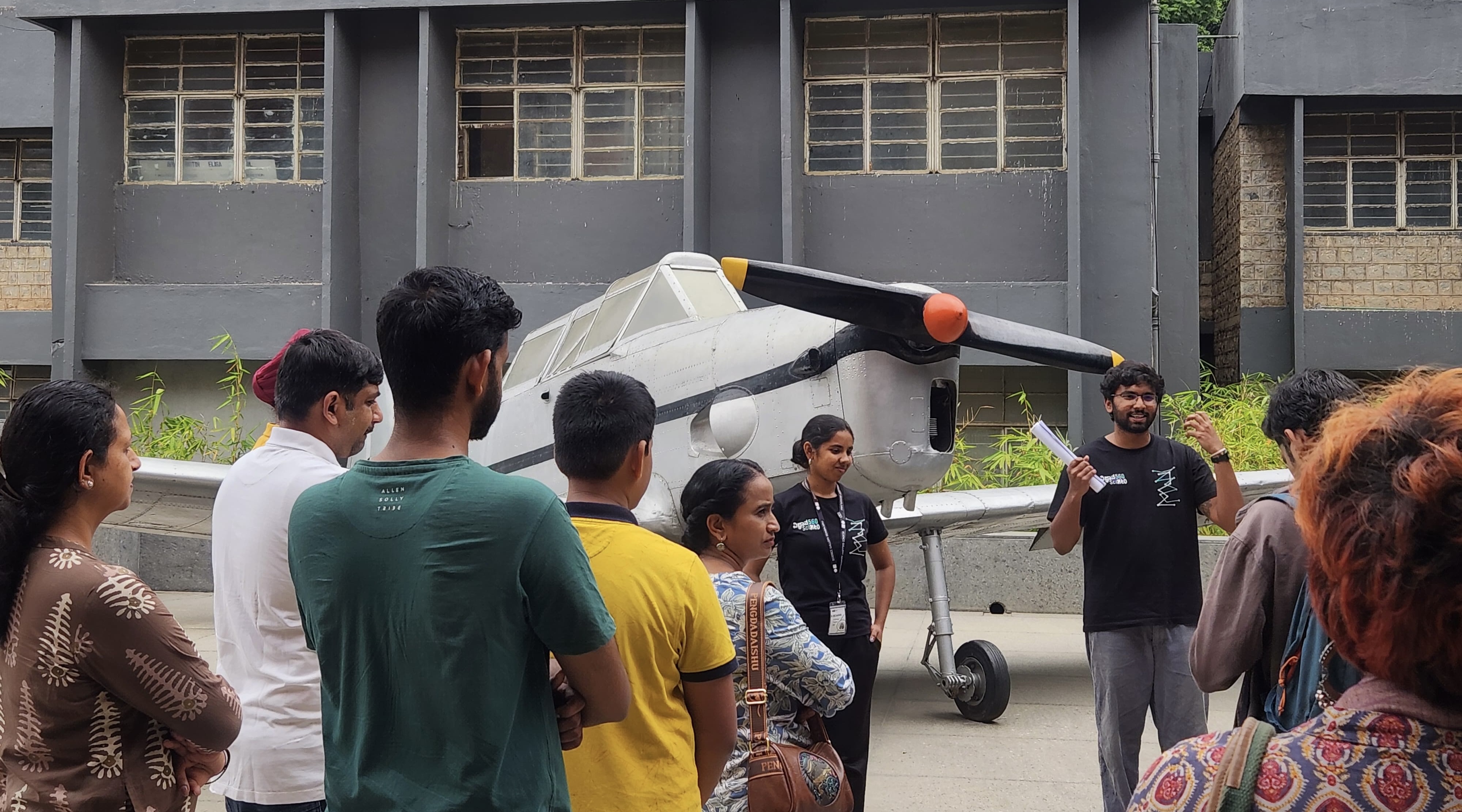
Science Gallery Bengaluru ~40,000 visitors

Intention: Synthesising ideas in response to who I was speaking with, without losing complexity or wonder.

Everyday mediation Visitor engagement

Conversations emerged through individual attention rather than scripted explanation. Mediation became a way to translate complex ideas into digestible chunks while preserving nuance.

Student Learning Experiences

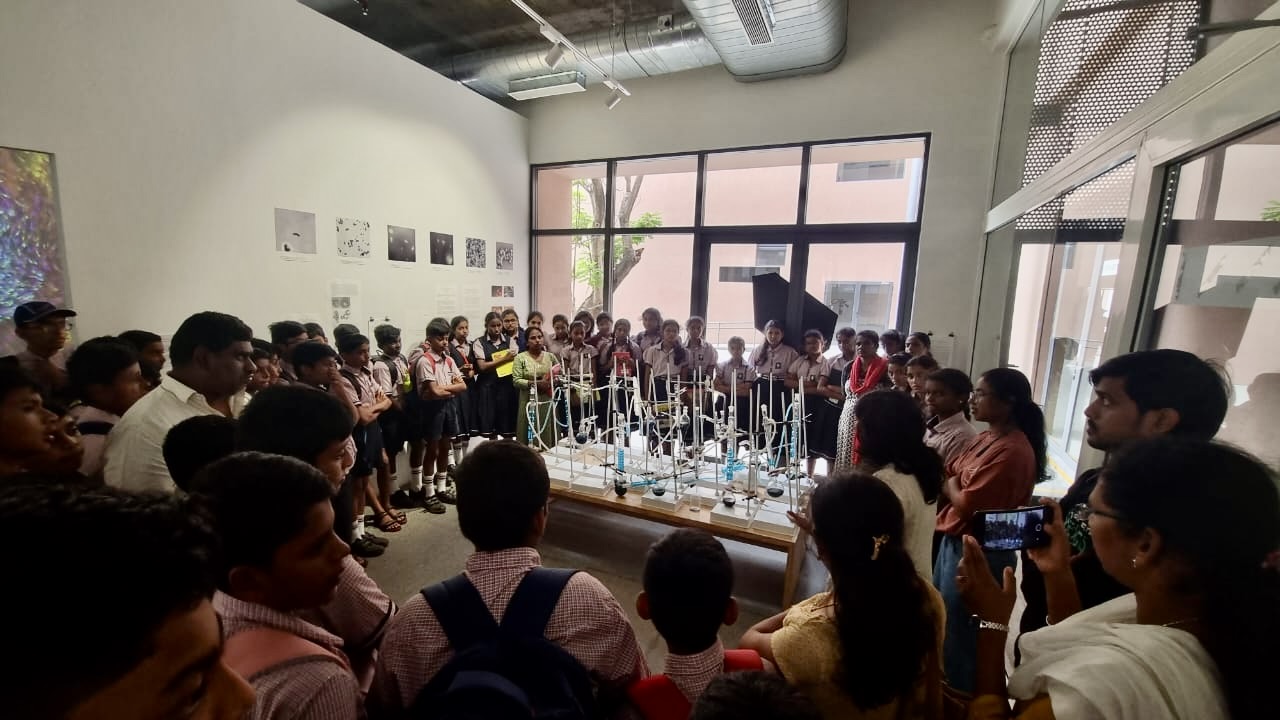
Science Gallery Bengaluru ~10,000 students guided

Intention: Creating conditions for curiosity and participation within structured learning settings.

Student learning experience School visit

Sessions worked with the energy students arrived with, gradually shaping it into shared attention and wonder. Objects became portals for discussion allowing linear learning to occur without relying on rigid instruction. .

Designed Experiences

Science Gallery Bengaluru

Intention: Using meticulously researched themes to encourage deeper connections with familiar topics, enabling novel experiences of the same space.

Designed experience Workshop design

Created sessions on the concept of Umwelt,and designed walkthroughs that explored human sensory systems and the experience of slowing down time. These formats were used to examine how perception shapes understanding.

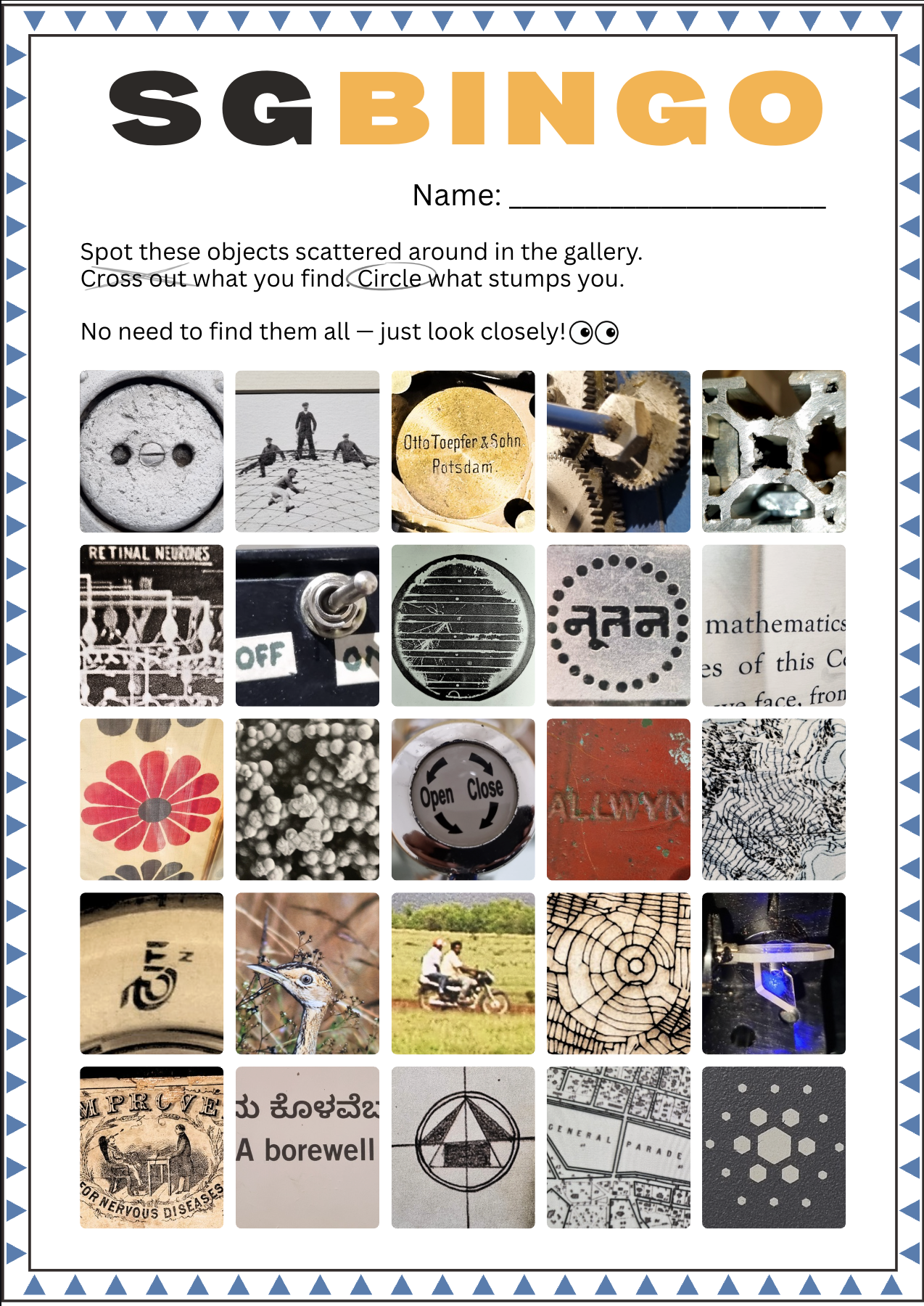
Developed Visual Bingo using close-up images to deepen engagement with the exhibits, inviting visitors to search for and notice elements that are often overlooked, and rethought feedback systems to encourage higher quality responses.

Beyond Mediation

Science Gallery Bengaluru

Intention: Strengthening informal learning through behind-the-scenes systems and creation of artefacts that extend the life of the exhibition.

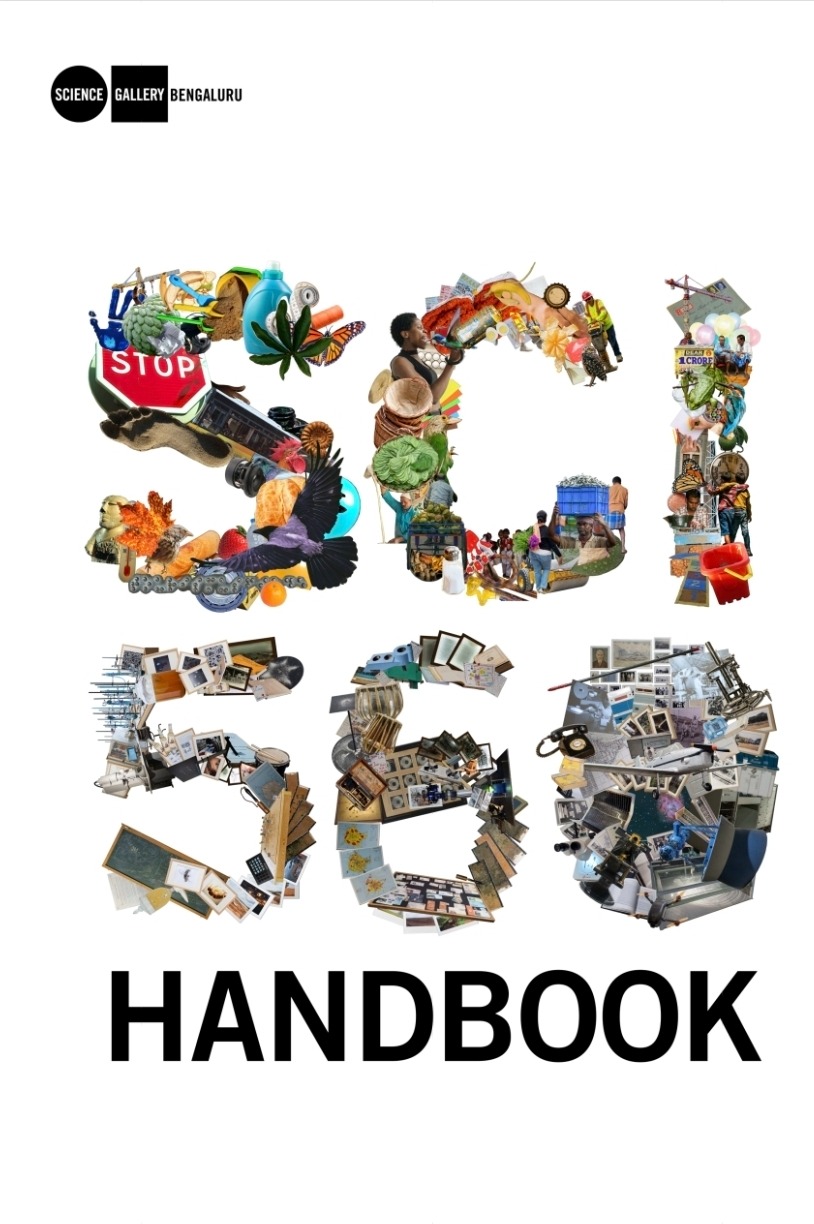
Beyond mediation work 268 Handbook

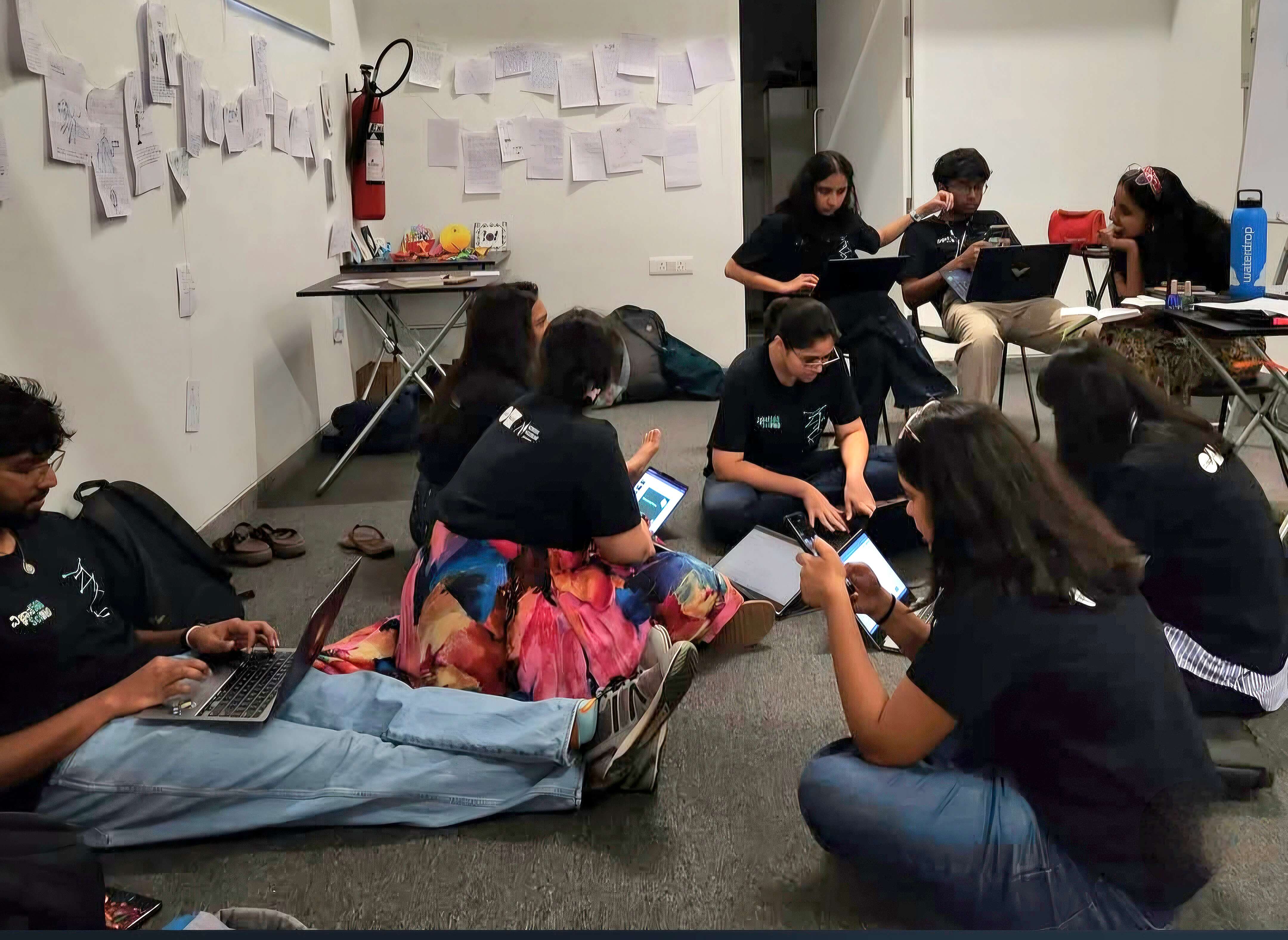
Alongside mediation, I worked on coordination, scheduling, and review processes that enabled the gallery to function day to day.

This included coordinating with and maintaining records of SLE's, reviewing and onboarding mediators, and contributing to the designing of learning resources that carried the exhibition's ethos forward.

Ecology & Field Work

My ecological work has been grounded in physical presence - being in forests, rivers and reefs over extended periods. Much of this work unfolded in difficult conditions, requiring empathy and a willingness to learn without clear answers.

I have been drawn to roles that sit at the boundary between natural systems and human activity, contributing to conservation efforts while learning how environmental care is shaped by people and institutions. These next projects have fundamentally changed who I am and have heavily influenced how I see the world. These projects have fundamentally changed who I am and heavily influenced how I see the world.

Ecology fieldwork

Riparian Ecology & Restoration

Khandepar River, Goa Our River, Our Life (NGO)

Intention: Understanding the river's health and proposing restoration pathways through ecological and social lenses.

Riparian ecology work

My Role:

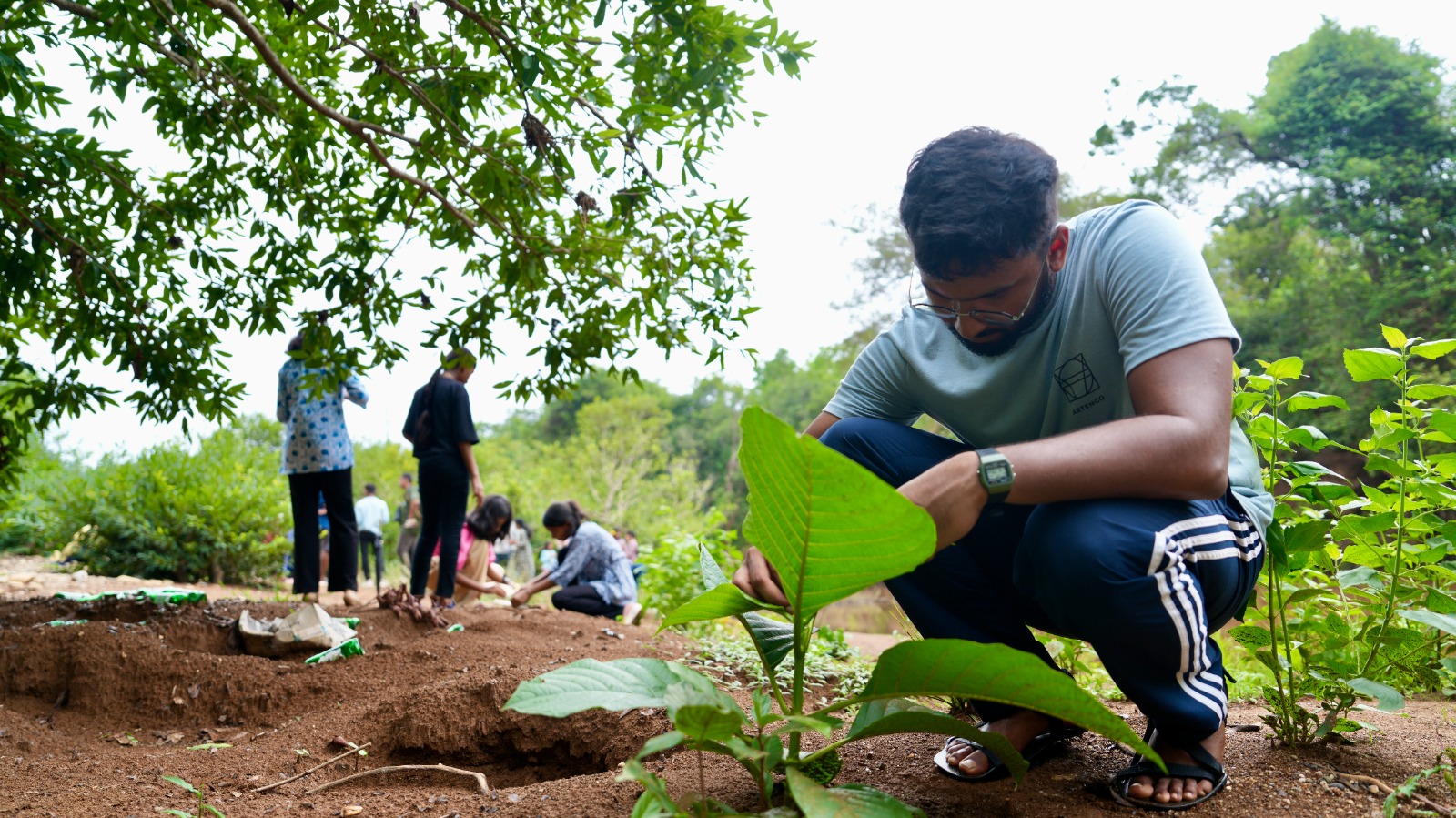
Carried out flora surveys along the river using ~100 m transects to document species diversity and riparian vegetation patterns for restoration planning.

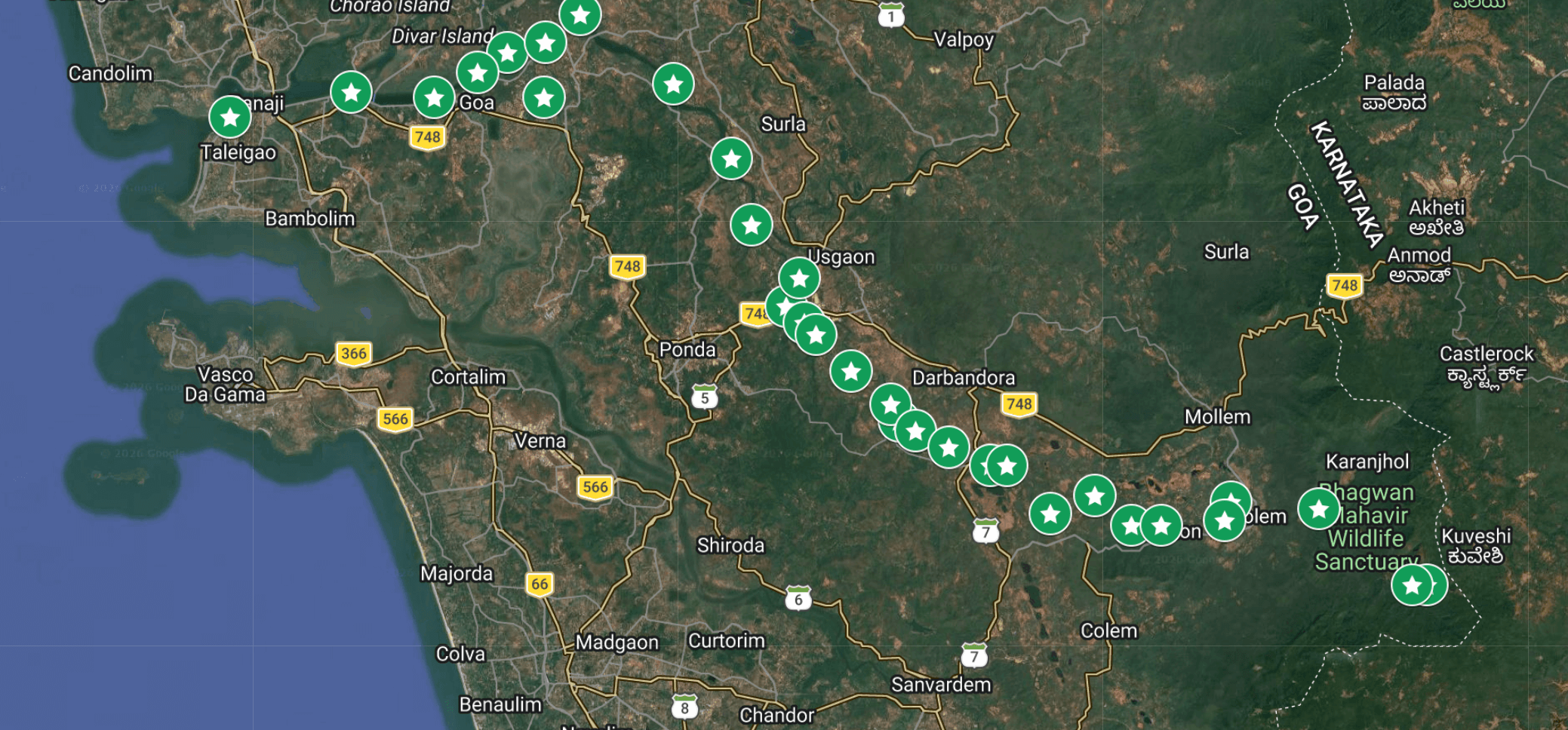
Fieldwork was largely self-directed: scouting sites via maps, trekking to river edges, logging GPS-tagged observations, compiling data from ~50 transects across 25 km.

How I Changed:

This work reshaped my understanding of where conservation comes from. It is inseparable from livelihoods, governments, and traditional knowledge. Taught me that the process of ecological restoration requires patience, trust, and attention to social realities as much as environmental data.

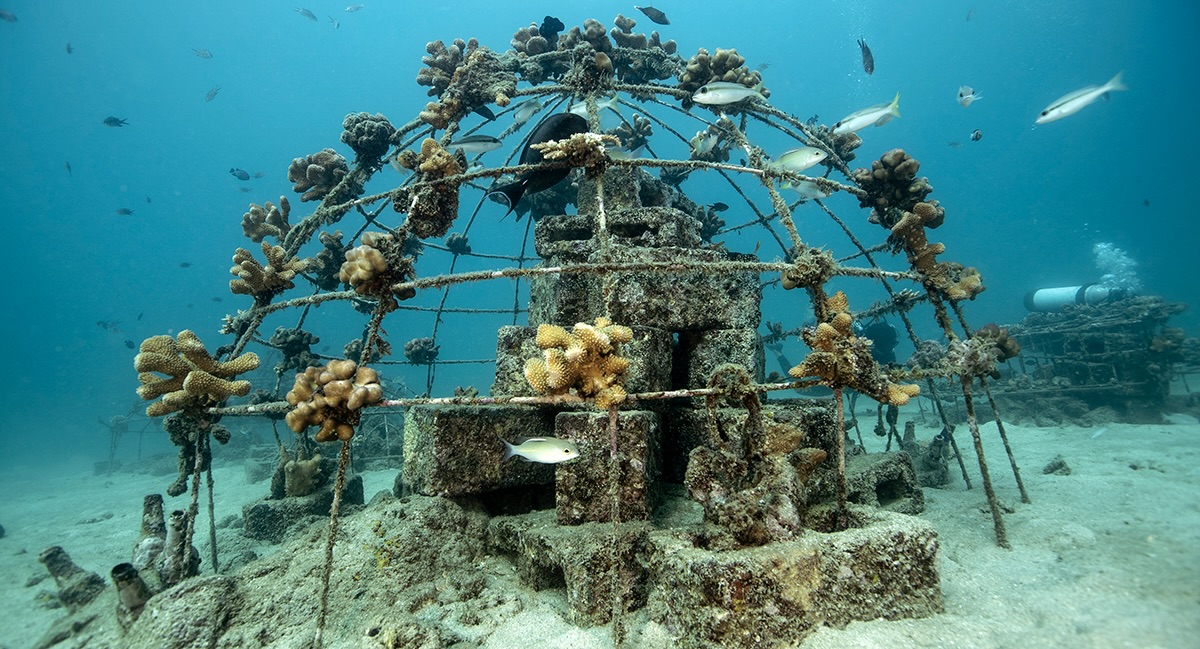
Marine Ecology & Restoration

Chidiya Tapu, Andaman Islands ReefWatch India (NGO)

Intention: Learning how coral reef systems function and recover while supporting conservation work.

Marine ecology work

My Role:

Assisted with reef monitoring and coral restoration work, learning to scuba dive and documenting coral growth.

Facilitated nature walks around the base. Due to its close proximity to marine, intertidal, mangrove and rainforest ecosystems, these walks usually were full of wonder and learning.

How I Changed:

This was my first sustained experience of conservation work and living within a natural system. Everyday mindful contact with damaged reef systems reshaped how I understood ecological responsibility, and what it means to learn from a place rather than about it.

What's Next?

Biomimicry Speculative Card Game

Developing a speculative card game inspired by Biomimicry & AskNature, where players assume attributes of different organisms and combine them to respond to shared challenges.

Origami Sculptures

Working on a series of origami-based kinetic sculptures as an art practice. Exploring how paper folding and mechanical principles can result in movement and play.

Simulating Natural Behaviour with Code

Learning to code using p5.js to simulate natural behaviours like slime mold movement and bird murmurations. This work is exploratory and idea-led, illustrating on how simple rules give rise to complex, emergent biological patterns.